Why Choose a Custom Wire Harness Manufacturer in 2026
What buyers should look for in an OEM partner — quality systems, customization depth, certifications, lead times, and the questions that separate real factories from middlemen.
Sourcing custom wire harnesses is one of those decisions that looks simple on paper and turns into a nightmare in practice. Pick the wrong supplier and you get late shipments, failed crimps, certification mismatches, and 3 AM phone calls from your production manager. Pick the right one and you have a partner who quietly makes your equipment work for years.
This guide is for engineers, sourcing managers, and OEM product teams who are evaluating custom wire harness manufacturers in 2026 — especially those looking at Chinese suppliers for the first time. We'll cover what actually matters, what's marketing fluff, and the specific questions that will separate real factories from trading companies pretending to be factories.
What Is a Custom Wire Harness, Really?
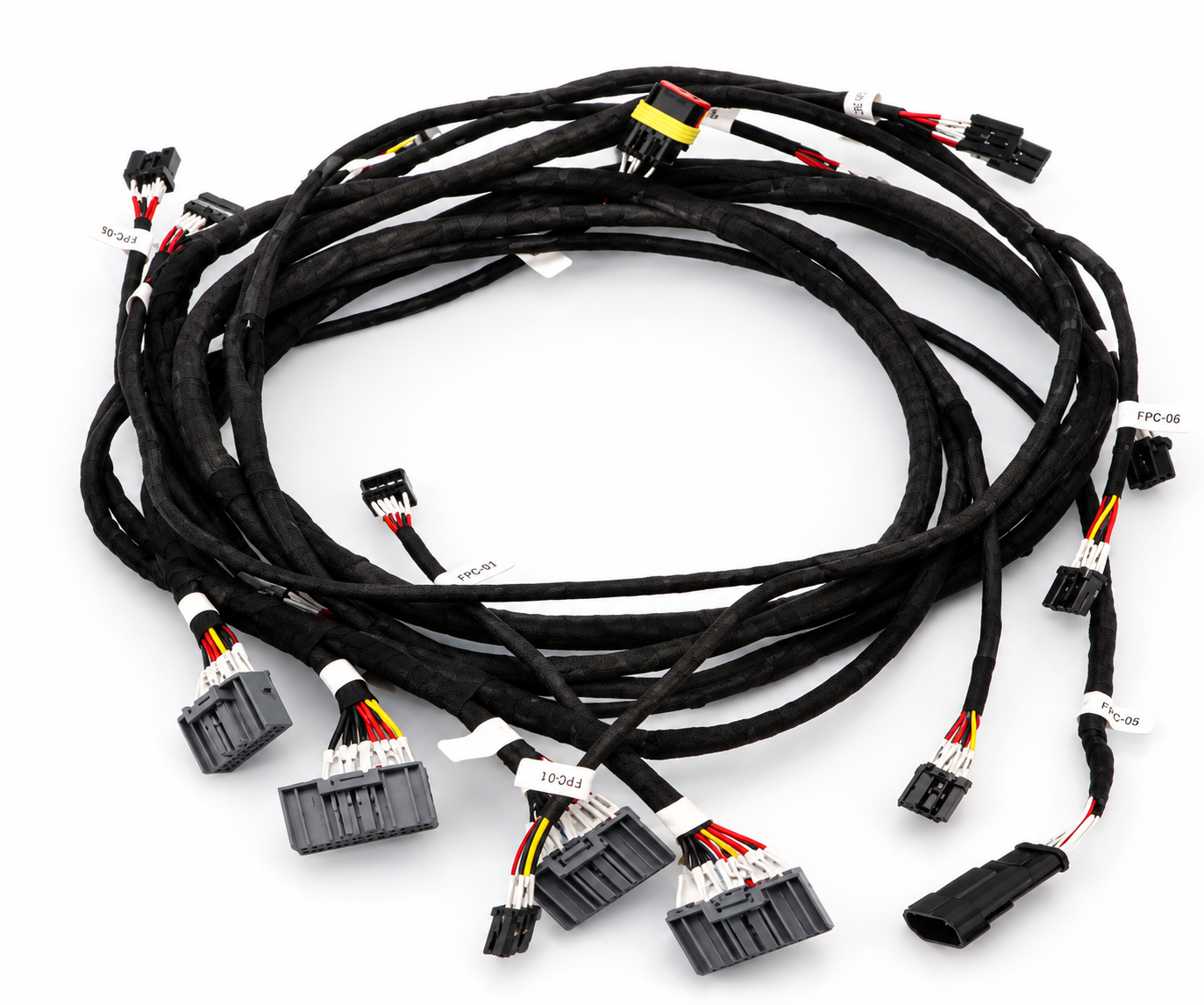
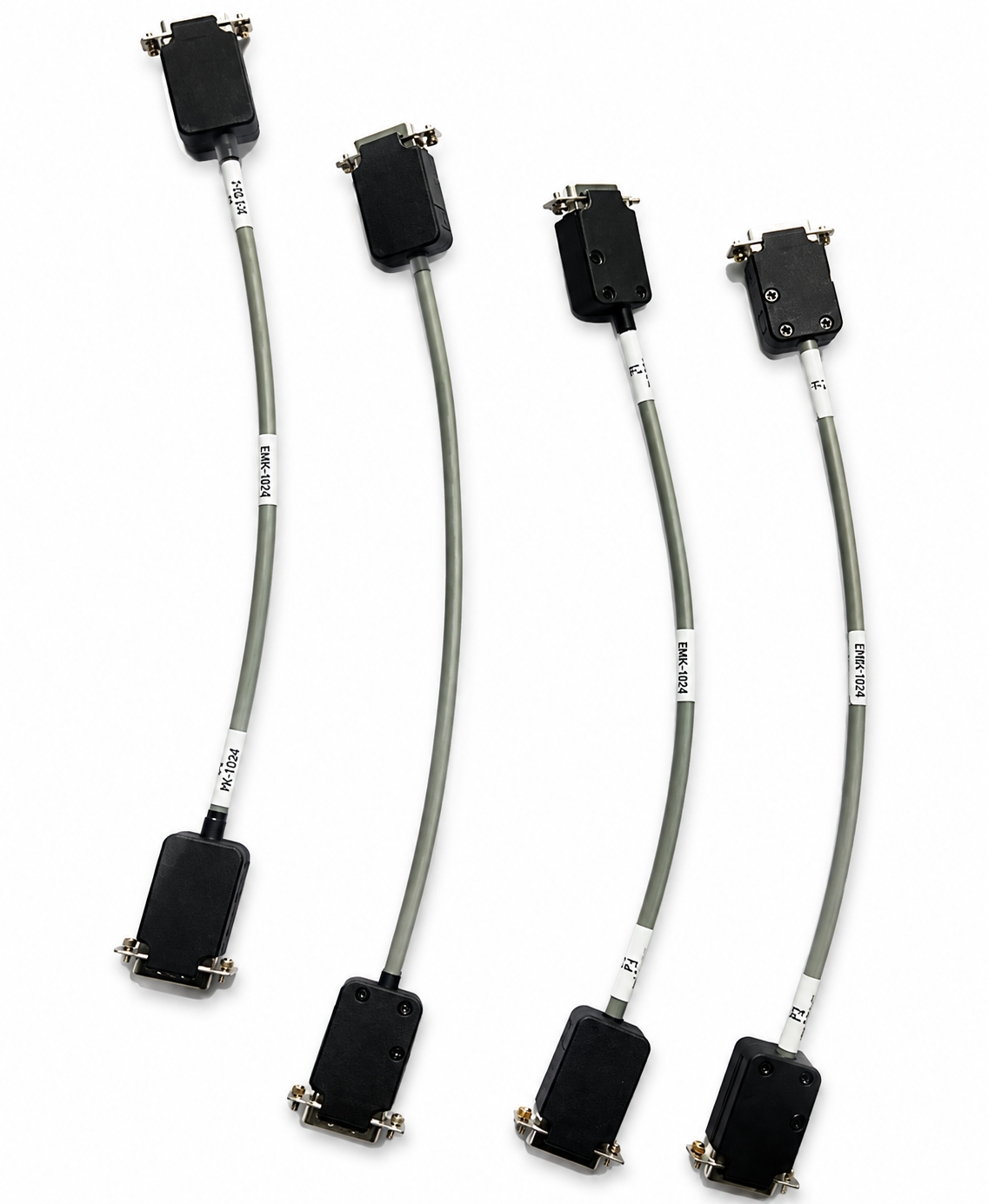
A wire harness is an assembled bundle of wires, terminals, and connectors built to a specific drawing — not a generic part you buy from a catalog. Custom harnesses sit at the heart of every modern piece of electrical equipment: cars, e-bikes, factory robots, medical devices, energy storage cabinets, and the test stations that verify all of the above.
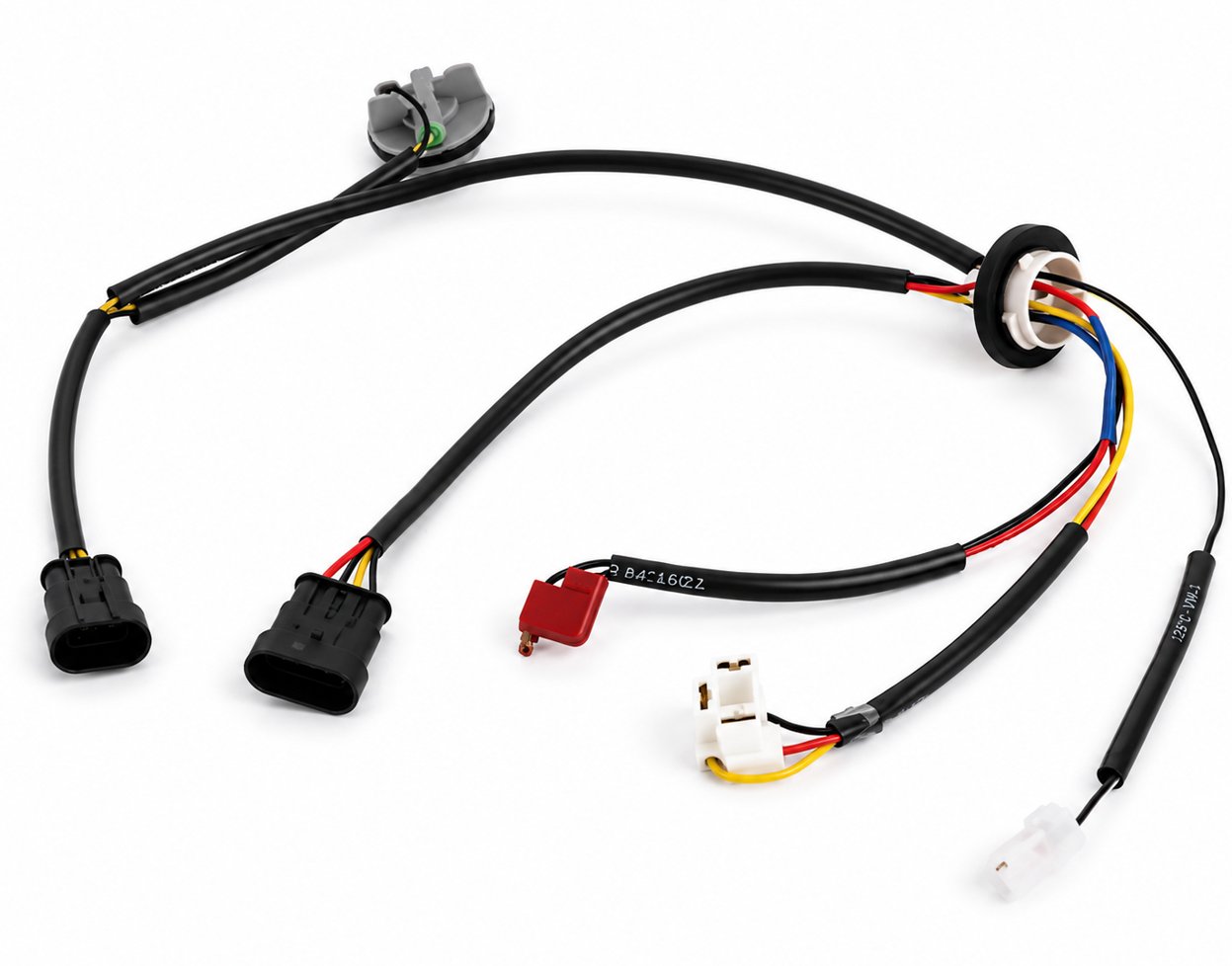
The "custom" part is what makes this industry interesting. A drawing might specify exact wire gauges (28 AWG to 4/0), specific connector brands (TE Connectivity, Yazaki, Molex, JST, Sumitomo, KET), particular crimp terminals, protective braiding, heat-shrink labels, and a precise pinout. Two harnesses that look identical from across the room may be totally different inside — and incompatible.
Custom Manufacturer vs. Catalog Supplier: Why the Difference Matters
Catalog suppliers ship standard parts from a shelf. Custom wire harness manufacturers build to your drawing or sample. The difference shows up in five places:
- Engineering support. A real custom manufacturer has engineers who review your drawing, flag issues, and suggest improvements before the first crimp.
- Component flexibility. They can switch connector brands, wire grades, and protection methods to hit your cost or performance target.
- Volume scaling. 10 prototype pieces today, 50,000 production pieces next year — same factory, same drawing.
- Quality traceability. Every batch is documented: which operator, which crimp tool, which test sequence, which date.
- Long-tail support. Three years later when you need 200 more, they can still build them — because the BOM and tooling are still on file.
The 8 Questions That Reveal a Real Manufacturer
If you only ask one set of questions, ask these. The answers will tell you whether you're talking to a real factory or a middleman:
1. What is your IPC/WHMA-A-620 acceptance class?
Class 1 is consumer-grade. Class 2 is general industrial. Class 3 is for life-critical equipment (aerospace, medical, military). A real factory knows this immediately and can show inspection documents per their declared class.
2. Are you IATF 16949 certified?
This is the automotive quality standard. Even if your product is not automotive, IATF 16949 indicates serious quality systems — defect tracking, supplier qualification, PPAP submission, and continuous improvement processes. ISO 9001 is the baseline; IATF 16949 is the next level up.
3. Do you crimp in-house or subcontract?
Crimping is the single most common failure point in a wire harness. A real manufacturer owns their crimping equipment (TE AMP 3K, Schleuniger, Komax, Mecal) and pulls every crimp to spec. Subcontracted crimping is a red flag — the chain of accountability breaks.
4. What's your first-pass yield (FPY) on continuity test?
This is a hard number. Good factories test 100% of finished harnesses on a bed-of-nails test fixture and report FPY ≥ 99.5%. If they can't quote you a number, they probably aren't testing.
5. What's your sample lead time, and what does a sample cost?
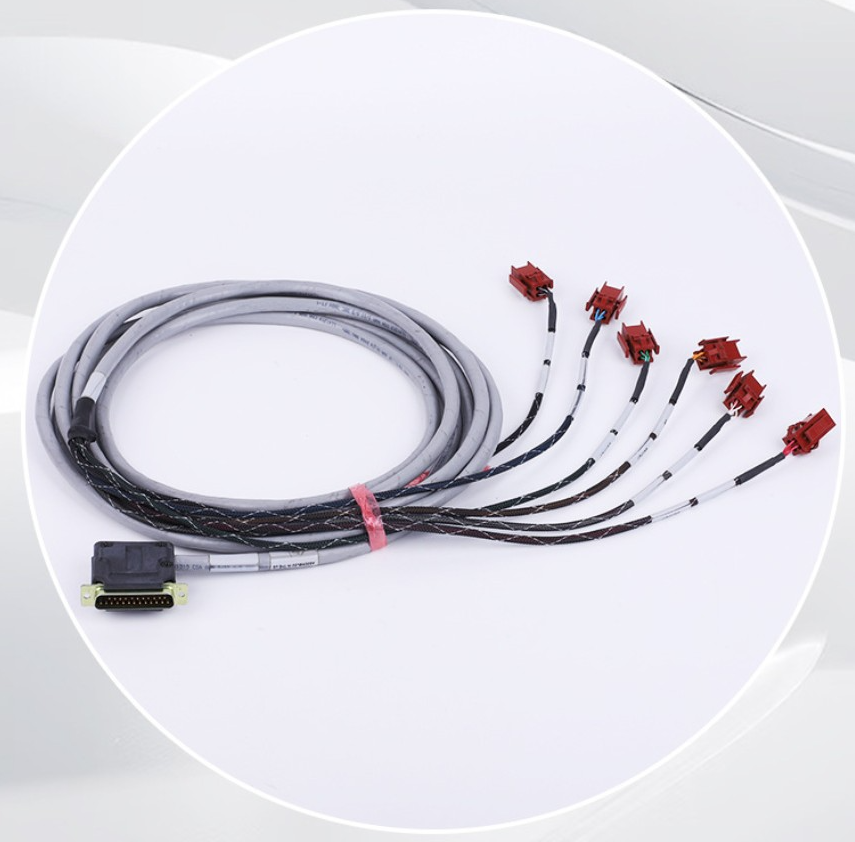
Standard cables and connectors should ship samples in 7 to 10 days. Complex assemblies like e-motorcycle main harnesses take 10 to 15 days. Samples should be free or nominal (under USD 100 plus shipping) for serious inquiries. If a supplier wants USD 500 for a single sample, that's a sign they're really a trading company sourcing your parts from yet another factory.
6. Can you sign an NDA before reviewing my drawings?
Yes is the only acceptable answer. Any serious manufacturer signs an NDA without hesitation — it protects them too.
7. How many languages does your sales engineering team speak?
You don't need a polyglot, but you do need someone who can read English technical specs, understand drawings, and write back coherently. A non-trivial portion of wire harness defects come from translation errors on the supplier side.
8. Can I visit your factory?
Real factories say yes. Trading companies say "let me check with our partner factory." If your supplier can't answer this in one sentence, you have your answer.
Materials: What Should Be on Your Spec Sheet
Every wire harness drawing should specify, at minimum:
| Spec | Example |
|---|---|
| Wire style | UL2464, UL1015, AVSS, FLRY, CSA TR-64 |
| Conductor gauge | 22 AWG / 0.5 mm² / 1.0 mm² / 2.5 mm² |
| Conductor material | Tinned copper / pure copper (oxygen-free) |
| Insulation | PVC, XLPE, silicone, PTFE, halogen-free LSZH |
| Voltage rating | 300 V, 600 V, 1000 V, 1500 V DC |
| Temperature | -40 °C to +105 °C (typical), -40 to +200 °C (high-temp) |
| Connector brand & P/N | TE 1-1318119-3, Molex 39-01-2080, JST VHR-4N |
| Terminal P/N | TE 1318107-1, JST SVH-21T-P1.1 |
| Crimp pull test | Minimum 100 N for 22 AWG, 200 N for 18 AWG |
| Length tolerance | ±5 mm typical, ±2 mm for precision builds |
If your drawing is missing any of these, your supplier will guess — and you may not like what they guess.
Lead Times and Pricing: What's Realistic
Wire harness costs are dominated by labor (about 60-70% of unit cost), components (20-30%), and overhead. The implications for your project:
- MOQ from 10 pieces for prototype runs is realistic at most quality factories.
- Mass production MOQ of 200-500 pieces is where you get good per-unit pricing.
- Production lead time: 15-25 days after drawing approval and component sourcing.
- Tooling charges: Most factories absorb tooling for orders above 1,000 pieces; below that, expect USD 200-2,000 NRE depending on connector exotic-ness.
- Payment terms: 30% deposit / 70% before shipment is standard. L/C or O/A 30 days for repeat customers and orders above USD 50K.
The Energy Transition Is Reshaping Demand
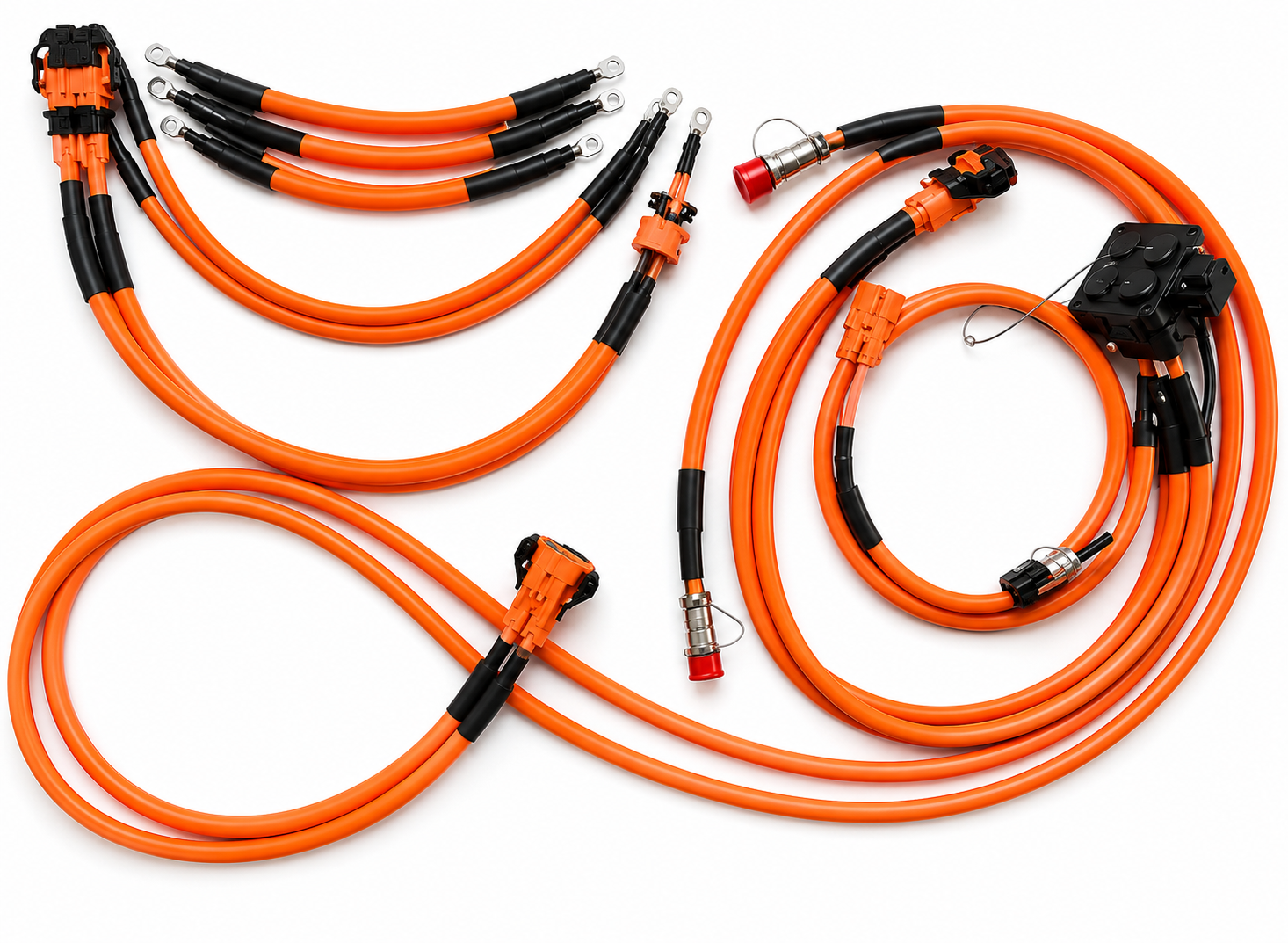
One of the biggest shifts we've seen across 2024-2026 is the explosion in demand for high-voltage harnesses for EV battery packs and energy storage systems (ESS). Standard 12V automotive harnesses still ship in volume, but the growth is in:
- 1500 V DC battery interconnects with XLPE insulation and oxygen-free copper conductors
- HVIL (high-voltage interlock loop) integrated harnesses
- Solar / PV inverter wiring with halogen-free flame-retardant jackets
- Energy storage cabinet interconnects with Amphenol RADSOK, TE HVA, and Rosenberger HVS connectors
- EV fast-charge inlet cables (CCS / GB-T / CHAdeMO)
If you're sourcing for these applications, ask your supplier specifically about ISO 19642 (EV cable standard), LV 216-2 (German automotive), and GB/T 33594 (Chinese HV automotive cable). A factory that doesn't recognize those standards isn't ready for the new energy market.
Red Flags to Walk Away From
Some warning signs are subtle, others are obvious. Either way, save yourself the headache:
- 🚩 Quote arrives in under an hour with no questions about your drawing.
- 🚩 Sample lead time longer than 3 weeks for a standard cable assembly.
- 🚩 No factory photos, no production videos, only stock images on their site.
- 🚩 Cannot confirm specific connector part numbers in their quote ("we use a similar one").
- 🚩 No mention of IPC/WHMA-A-620, IATF 16949, or any quality system in their materials.
- 🚩 Sales rep with a Gmail or Hotmail address (real factories use domain emails).
- 🚩 Demands 100% prepayment before sample production.
- 🚩 Cannot answer technical questions and routes everything through "our engineer."
"The cheapest quote is rarely the lowest total cost. Late shipments, failed continuity tests, and rejected lots will erase the savings on a 5% lower unit price within one production cycle." — Common wisdom across automotive purchasing teams.
What You Get When You Pick the Right Partner
Working with a real custom wire harness manufacturer changes the dynamic of your supply chain. You stop worrying about whether the parts will arrive on time and whether they'll pass inspection. Instead you focus on what you do best — designing equipment that wins customers. The harnesses just work, every batch.
For OEMs entering the China sourcing market for the first time, the right approach is:
- Get drawings in order with full spec sheets (gauge, brand, terminal, length, tolerance, test requirements).
- Send the same RFQ to 3-5 candidate factories.
- Compare their answers to the 8 questions above — not just their unit prices.
- Order samples from your top 2 candidates.
- Inspect samples against your drawing with pull test, continuity test, and visual workmanship per IPC/WHMA-A-620.
- Pick the winner and lock in a multi-year supply agreement at volume pricing.
Ready to Source Your Next Custom Harness?
At Wire Harness Works, we've built every type of harness covered in this guide — from 15+ active automotive SKUs to high-voltage EV battery cables, semiconductor equipment harnesses, and flat travelling cables for industrial elevators. Our Shenzhen factory runs to IATF 16949 and ISO 9001, every assembly passes 100% electrical test before shipping, and we accept sample MOQs as low as 10 pieces.
Send us your drawings or a sample of an existing harness you want replicated — we'll quote within 24 hours and ship a working sample in 7 to 15 days. Get in touch or browse our complete product catalog to see the kind of work we ship to OEMs in 50+ countries.